 Latch
LatchTwo-minute check
How hooked are you?
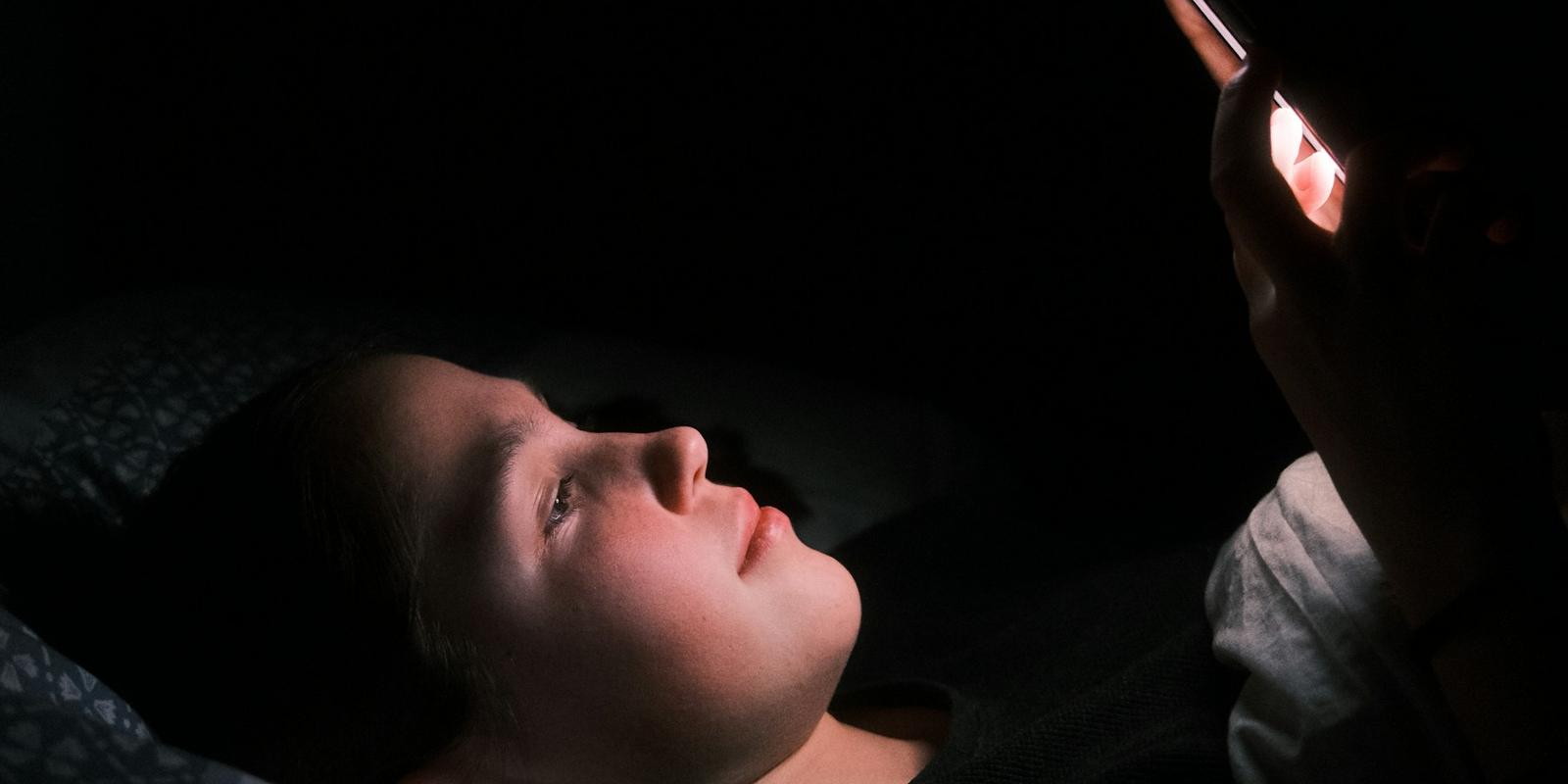
You don't notice it happening
It's 11:40 at night. You told yourself you'd be asleep by eleven. You picked up your phone to set an alarm, saw one message, then one video, then another, and the alarm still isn't set.
Nobody decides to lose an hour. It goes a minute at a time: a glance while the kettle boils, a scroll at a red light, a check in the middle of a conversation. You feel it later, when the morning starts tired or your kid has to ask you something twice.
That isn't a lack of willpower. The apps on your phone are made by some of the best-paid designers in the world, and keeping you there is their job. When researchers at the London School of Economics filmed people's days, they found that nearly nine times out of ten, nothing had called them to the phone. There was no buzz and no notification; their hand just went there.
We built Latch because we saw this in ourselves. The phone was the first thing we touched in the morning and the last thing at night, and "just five minutes" had stopped meaning five minutes a long time ago. What helped was distance: putting the thing that unlocks the phone somewhere we had to get up and walk to. Those few steps are usually enough to ask, do I actually want this?
What the research says
The good news
Let's find out where you are
Eight quick questions, about two minutes. Think about the last month and answer for how it actually went. There are no wrong answers, and nothing leaves this page.
Your result
How Latch would help


This is a self-check to help you think about your habits, not a medical test or a diagnosis. If your phone use is affecting your sleep, mood, work or relationships and you're worried, talking to a doctor or counsellor can help.